CDD, partners mobilise Benue stakeholders against, disinformation, misinformation, hate speech
 admin
Mar 15, 2026 08:55
107
0
admin
Mar 15, 2026 08:55
107
0
By James Ike
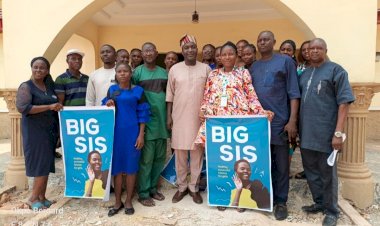
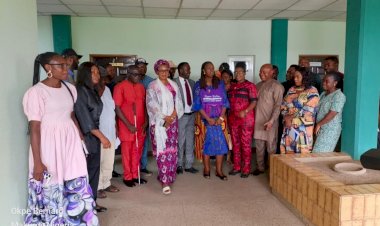
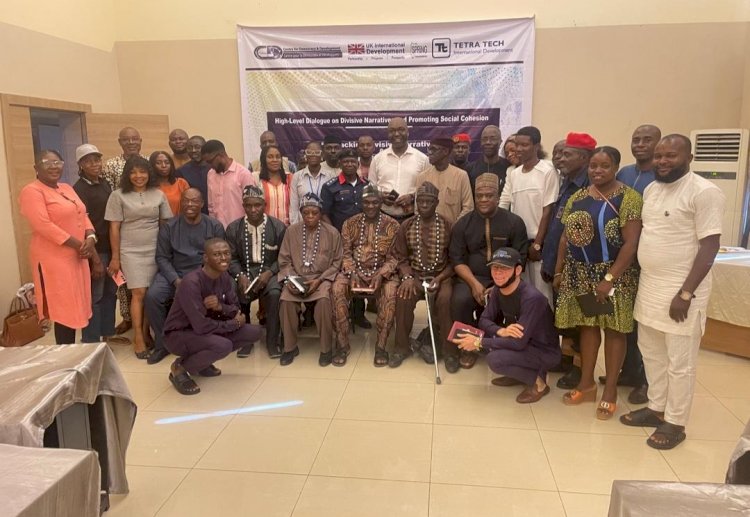
Stakeholders drawn from civil society organisations, academia, traditional and religious institutions, as well as youth and women groups converged in Benue State for a high-level dialogue aimed at addressing divisive narratives and promoting social cohesion.
The dialogue, organised by the Centre for Democracy and Development (CDD) in collaboration with Tetra Tech, with support from UK Aid under the SPRiNG Project, focused on strengthening information literacy and countering misinformation, disinformation and hate speech in the society.
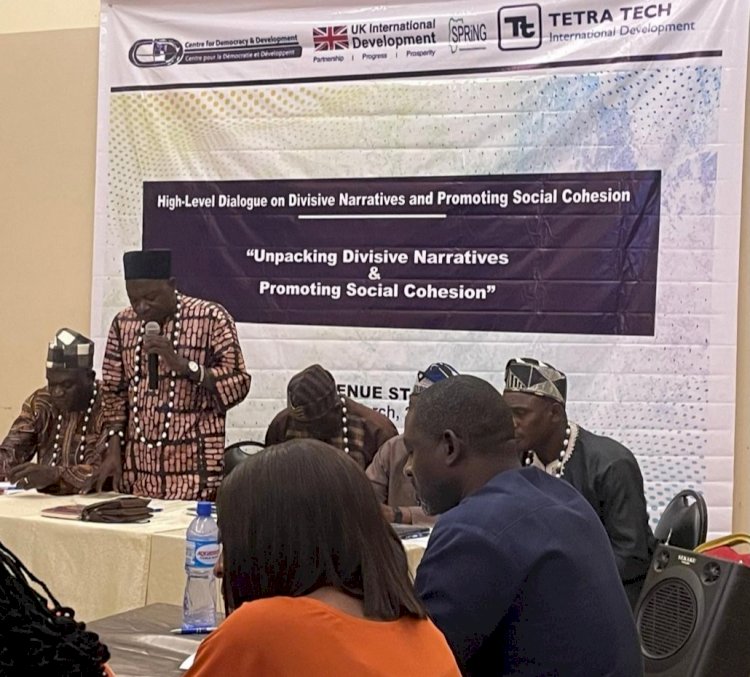
Speaking during the meeting, CDD Head of Programme and Team Lead, Mary Okpe, explained that the initiative was designed to bring together key stakeholders to contribute ideas that would shape policies capable of fostering peace and unity in the state.
According to her, “The programme is about strengthening information literacy for the sake of building peace and social cohesion. We call today’s dialogue a high-level dialogue because we are meeting with stakeholders at the state level, including civil society organisations, the academic community, traditional and religious leaders, as well as women and youths.”
Okpe noted that the engagement was intended to ensure that policy recommendations emerging from the project would reflect the views and experiences of the people.
“The idea is to have these segments of persons contribute to discussions that would eventually lead to policy. Any policy recommendations coming out of this project will not be a top-down approach but rather a bottom-up approach so that people can relate to them, connect with them and also implement them,” she said.
She further explained that the meeting provided an opportunity to bring together different groups that had previously been engaged separately to jointly deliberate on issues affecting information literacy and social cohesion.
Okpe expressed optimism that participants would act as ambassadors of the initiative in their communities.
“We expect that as they go back to their communities, they will carry the message along and be able to provide adequate and correct information to others about the purpose of the engagement. We also expect that they will have the capacity to verify information and not be partakers in spreading rumours or false information,” she added.
Also speaking, Development Communication Practitioner and Consultant to CDD, Odoh Diego Okenyodo, described the engagement as a training programme aimed at equipping stakeholders with the skills to identify and counter misinformation, disinformation and hate speech.
He said such narratives often fuel tensions and conflicts in society if not properly managed.
“The idea is to equip information managers, academics, traditional and religious leaders with tools and understanding of how misinformation, disinformation and hate speech can create tension in society. If we know how to manage them, we can reduce conflicts,” Okenyodo said.
He added that the training was particularly significant as the country moves closer to the 2027 general elections.
“As we head towards the elections in 2027, we know that security issues need to be better managed to ensure hitch-free and peaceful elections. From what we heard today, the participants seem to have understood the concepts and were able to demonstrate ways they intend to take action to counter disinformation and hate speech,” he stated.
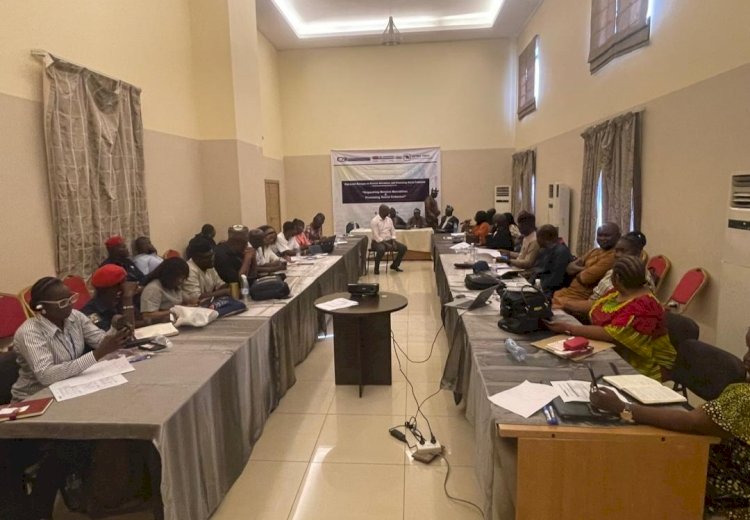
Participants at the dialogue were taken through several interactive sessions and discussions aimed at strengthening their capacity to promote accurate information and foster peaceful coexistence within their communities.