Drug abuse, hate speech put campuses on edge - CNG warns, holds public lecture in MOAUM
 admin
Jan 10, 2026 01:05
132
0
admin
Jan 10, 2026 01:05
132
0

By Segun Ade
In a landmark public lecture at the Moses Orshio Adasu University Makurdi, MOAUM, the Coalition of Northern Groups (CNG) has called on Nigerian students to champion responsible leadership, reject drug abuse, and combat hate speech and campus disunity.
The event, organized by the CNG Students’ Wing, brought together students, academics, religious leaders, and security agencies to discuss the pressing social challenges threatening Nigeria’s youth and future leaders.
Comrade Jamilu Aliyu Charanchi, National Coordinator of CNG, delivered the opening address, highlighting the moral and patriotic duty of students to uphold values, integrity, and peace on campuses.

“Today, we gather not merely for another academic engagement, but for a patriotic assignment,” Charanchi said. “Our campuses are seedbeds where future leaders, policymakers, and peacebuilders are formed. The future of our region and nation rests upon you.”
He described drug abuse as a national and security emergency, warning that substances like codeine, tramadol, cannabis, and inhalants are crippling the leadership potential of Nigerian youth.
“A youth trapped by drugs cannot reason clearly, lead responsibly, or participate meaningfully in nation-building,” Charanchi stressed. “Drug abuse fuels criminality, violence, and insecurity, empowering gangs, bandits, and criminal networks.”
The CNG leader linked cultism directly to drug abuse, arguing that mentorship, values, rehabilitation, and firm rejection of drugs are key tools to combat this menace. “To end cultism, we must confront drug abuse as its gateway,” he said.
Hate speech and political manipulation were other areas Charanchi addressed. He urged students to rise above division, tribalism, and religious intolerance.

“Leadership must unite, not divide. It must heal, not inflame. Our greatest strength lies in our diversity, cultures, faiths, languages, and histories woven together by destiny,” he said.
He quoted the Qur’an, saying, “We created you into nations and tribes so that you may know one another, not despise one another” (Qur’an 49:13), emphasizing the importance of mutual respect and dialogue.
Charanchi further emphasized that peace is built through dialogue, tolerance, early conflict resolution, strong student councils, and mentorship programs.
He outlined specific responsibilities for students: rejecting tribal hatred, refusing cultism and hate propaganda, defending the dignity of every Nigerian student, and promoting dialogue over confrontation.
“The Coalition of Northern Groups pledges to mentor students in leadership and civic responsibility, strengthen anti-drug campaigns, promote interfaith dialogue, and support student-led mediation and conflict-resolution initiatives,” he added.
The lecture series also drew keynote remarks from Professor Benjamin Ahule, Dean of the Faculty of Social Sciences at MOAUM who pointed out that “Hate speech is a very serious issue that could lead to breakdown of law and order if not properly checked,” he warned.
“Nigeria risks repeating the tragedy of Rwanda if ethnic stereotyping continues unchecked," he cautioned.
Dr. Stephen Terver Anyo, who presented a lecture on drug abuse and thuggery, noted the intertwined nature of these social vices. “Drug abusers are potential thugs who propagate violence during elections,” Anyo said.
He described drug abuse as a growing social problem in Nigeria, citing statistics showing that 14.4% of the population aged 15-64 engage in illicit drug use, with youths aged 25 to 39 most affected.
“Drug abuse is not just a health problem,” Anyo said. “It is a public health concern that threatens governance, development, peace, and security.”
Anyo identified family value decline, peer influence, social media, poverty, unemployment, and adolescent experimentation as key drivers of drug abuse among youth.
He highlighted common drugs abused, including marijuana, cocaine, heroin, and codeine, and enumerated symptoms such as euphoria, red eyes, impaired judgment, confusion, and withdrawal syndrome.
Preventive measures discussed included primary prevention through education, secondary prevention via early recognition and intervention, and tertiary prevention involving treatment and rehabilitation programs.
Anyo emphasized the importance of values in civic education to cultivate responsible citizenship, honesty, tolerance, and cooperation among students.
Dr. Tersoo Shaminja presented another critical paper on hate speech and campus disunity, describing how ethnic, religious, and political divisions are reproduced on campuses.
“Hate speech crosses ethical boundaries when it threatens dignity, equality, and peaceful coexistence,” Shaminja said. “Unchecked, it can escalate into physical violence and social fragmentation.”
He gave examples of campus hate speech, including derogatory nicknames, ethnic stereotyping, and online harassment, warning that social media amplifies these divisions.
Shaminja recommended reviving positive values and mentorship programs as sustainable pathways to rebuild unity and foster responsible citizenship among students.

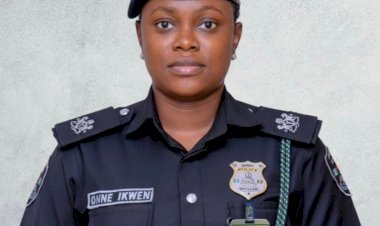
Chief Superintendent Julian Idoko, representing the Benue State Command of NDLEA, called for a return to communal responsibility in Nigerian society.
“It was a period when a neighbor could discipline the child of his neighbor if found wanting, and true love for one another reigned,” Idoko said. She also advocated introducing drug tests for prospective students entering higher institutions.
Chief Solomon Juku, representing the Ter Makurdi, Chief Vincent Ahule, appealed to youths to desist from drug abuse and to lead by example on social media.
Earlier, Kenneth Yoosu Kenneth, North Central Zonal Coordinator of CNG Students’ Wing, welcomed participants, emphasizing the importance of responsible student leadership.
“This series is designed for you, fellow students. As emerging leaders, you’re the pillars of our future,” he said. “We face real challenges, but together we can build a campus environment grounded in respect, responsibility, and harmony.”
Fanen Ordondo, Benue State Coordinator of CNG-SW, echoed the sentiment, urging students and the public to unite against social vices.
“The lecture could not have come at a better time,” Ordondo said. “Students must reject drugs, thuggery, and hate speech and embrace mentorship and values-based leadership.”
In conclusion, the event served as a clarion call for Nigerian students to become agents of change, defenders of peace, and champions of ethical leadership on campus and beyond.
Participants hailed the lecture as timely and transformative, with many expressing commitment to implement the lessons learned in their daily lives.
“The insights we received today are invaluable. It has inspired me to lead by example and reject negative influences,” said one student attendee.
The lecture series highlighted that building responsible student leadership is not only about academics but about character, conscience, and national unity, and that mentorship, civic education, and shared values are essential tools for shaping Nigeria’s next generation of leaders.