“Radio can close the gap”: AHF rolls out ‘Mentor Mothers’ programme to curb Mother-to-Child HIV transmission
 admin
Apr 23, 2026 11:59
104
0
admin
Apr 23, 2026 11:59
104
0
By Johnson Arua
In a renewed push to eliminate pediatric HIV infections in Nigeria, the AIDS Healthcare Foundation (AHF) has launched a community-focused radio programme, “Mentor Mothers,” to strengthen awareness and uptake of Prevention of Mother-to-Child Transmission (PMTCT) services.
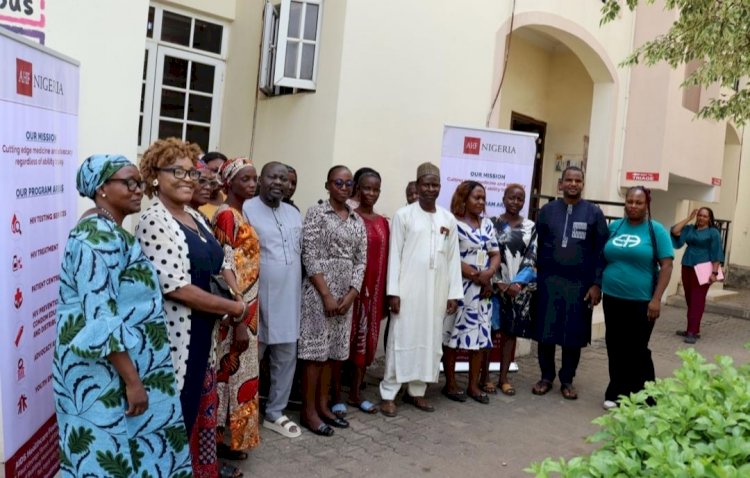
AHF Nigeria’s Senior Advocacy and Marketing Manager, Mr. Steve Aborisade, disclosed this during a stakeholders’ meeting with PMTCT coordinators, mentor mothers, and Traditional Birth Attendants (TBAs) in Abuja.
According to him, the weekly programme, set to air on ASO Radio for 13 weeks, is designed to address gaps in knowledge and access to HIV prevention services, particularly among women in underserved communities.
“Radio remains one of the most effective ways to reach people at the grassroots. We are using it to close the awareness gap and tackle pediatric HIV, which is still a major challenge in Nigeria,” Aborisade said.
He stressed that mother-to-child transmission of HIV continues to persist largely due to low awareness among pregnant women, noting that the initiative seeks to change that narrative through consistent public education.
The AHF official revealed that the programme had already been introduced in Benue State, where it recorded encouraging participation, with listeners actively calling in to seek clarification and guidance.
“We are encouraged by the level of engagement so far and believe the programme will gain similar traction nationwide,” he added.
Aborisade explained that the radio campaign complements ongoing community-based interventions, particularly the use of mentor mothers—women living with HIV who have successfully delivered HIV-negative babies—to provide peer support and education.
Also speaking, Omoseke Bamijoko, PMTCT Focal Person for AHF Nigeria in the FCT, underscored that with proper care and adherence to treatment, HIV-positive pregnant women can give birth to HIV-free children.
“HIV testing is a routine part of antenatal care in Nigeria. Once a woman tests positive, she is enrolled in PMTCT services immediately to protect her baby,” she said.
Despite this, she noted that low awareness and poor antenatal clinic attendance remain key obstacles limiting access to these services.
“Our focus is to boost awareness, encourage early testing, and ensure women take advantage of available treatment,” Bamijoko said.
Malam Nuhu Aliyu of the FCT AIDS, Viral Hepatitis and STIs Control Programme (FASCP) said the initiative aligns with efforts to eliminate HIV and related infections by 2030, particularly in hard-to-reach communities.
“People need to understand the value of knowing their status. Whether positive or negative, there are clear steps to stay healthy and prevent infection,” he said.
Mrs. Stella Ebeh of ASHWAN highlighted the need for sustained advocacy and women empowerment to further reduce transmission rates, while Hajiya Zainab Rabiu, a TBA, noted that the programme would enhance community-level education on HIV screening during antenatal visits.
For Esther John, a mentor mother in Kuje, misconceptions about HIV remain widespread.
“Some people still believe they cannot be infected, and others avoid treatment even after testing positive. Awareness must be intensified, especially among young people and pregnant women,” she said.
Stakeholders expressed confidence that the integration of radio outreach with grassroots engagement would significantly improve public knowledge, increase service uptake, and reduce new HIV infections among children nationwide.