
African coalition slams $125bn COP30 Forest Fund as “Dangerous Financialisation of Nature”
 admin
Nov 17, 2025 11:56
80
0
admin
Nov 17, 2025 11:56
80
0
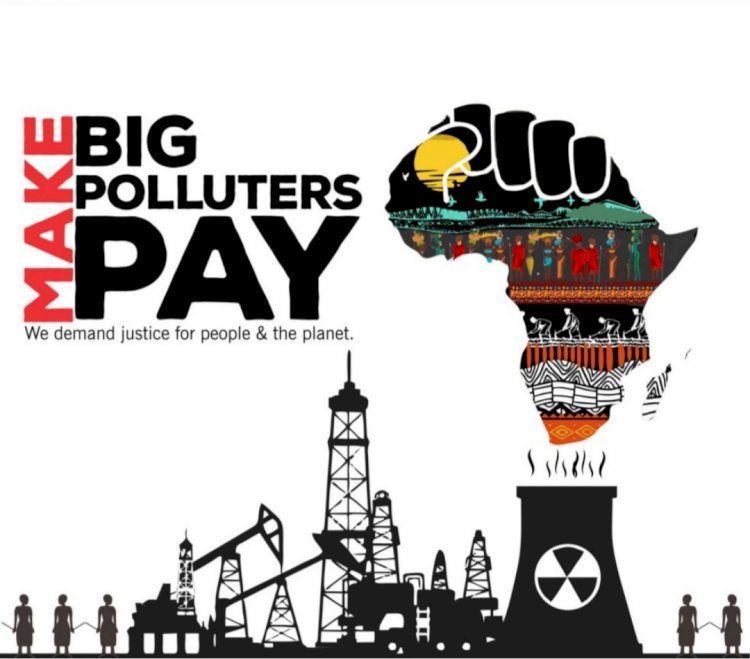
By Ade Ade
The Africa Make Big Polluters Pay (MBPP) Coalition has rejected the newly launched $125 billion Tropical Forest Forever Facility (TFFF), warning that the initiative threatens to deepen financial control over Africa’s forests rather than protect them.
In a strongly worded statement issued Monday at the ongoing COP30 climate summit in Belém, Brazil, the coalition described the fund as “a dangerous and misleading attempt to financialise nature under the guise of protecting it.”
The TFFF, led by Brazil, promises annual payments to forest-rich countries in exchange for maintaining their ecosystems. But the Africa MBPP, a network of over 32 organisations including CAPPA, Gender CC Southern Africa and the Global Forest Coalition, argues the model offers no real climate support.
“The excitement that has trailed the launch of the TFFF is misplaced,” the coalition said. “Rather than safeguarding forests, it commodifies living ecosystems, undermines Indigenous and community-led stewardship, and erodes the principles of climate justice it claims to uphold.”
According to the group, the fund reduces tropical forests to “tradable assets” controlled by global financial institutions, thereby reinforcing the same systems of exploitation that drive deforestation and inequality.
The coalition said African countries—including Nigeria, Angola, Ghana, Cameroon, Liberia, Rwanda and others—risk being trapped in a fund structure that prioritises investor returns over community needs. “What it offers is not real climate finance, but new layers of external bureaucracy and financial engineering,” the group warned.
The MBPP criticised the fund’s proposal to pay countries roughly $4 per hectare of standing forest each year, describing the amount as “tokenistic” and insufficient compared to the ecological and cultural importance of tropical forests. It further warned that payments are tied to the performance of the facility’s investment portfolio, meaning nations will receive funds only after investor obligations are met.
“This represents a blatant privatisation of forest finance, rooted in speculation rather than sustainability,” the coalition said, adding that even a 1 percent redirection of global military spending would generate far more reliable support than the TFFF’s “risky, market-based model.”
The coalition also condemned the appointment of the World Bank as trustee of the fund, calling it “regressive and exclusionary.” It argued that past World Bank–managed climate finance has “centralised power, delayed funding, and silenced frontline communities.”
“Accountability in climate finance starts with rejecting corporate capture,” said Akinbode Oluwafemi, Executive Director of CAPPA. “The World Bank must not be allowed to turn forest protection into another business model.”
Mokoena Ndivile of Gender CC Southern Africa added that forest preservation is a survival right for communities, particularly women. “Handing control of the TFFF to the World Bank risks turning this right into another instrument of financial control, and we will not accept that,” she said.
Kwami Kpondzo of the Global Forest Coalition cautioned that the initiative would further marginalise Indigenous knowledge while prioritising corporate interests.
Concluding, the Africa MBPP said the TFFF offers “no path to justice—only an illusion of progress,” insisting that real climate solutions must come from community-led protection efforts.
The coalition urged world leaders to reject the facility and instead support transparent, locally driven climate finance systems that strengthen community control and advance environmental justice.