Bille gas crisis: Experts at NED2026 demand urgent intervention, warn of looming catastrophe
 admin
Oct 9, 2026 02:06
7
0
admin
Oct 9, 2026 02:06
7
0

By Angel Ene
Participants at the 5th National Extractives Dialogue, NED2026, have called for urgent intervention in Bille Kingdom, Rivers State, following reports of persistent gas emissions, contaminated water sources, unexplained bubbling and explosions, warning that the situation could degenerate into a major humanitarian disaster if left unchecked.
The participants urged the government to declare Bille a disaster zone, mobilise emergency funds, provide medical support and safe drinking water, and work with the National Emergency Management Agency, NEMA, to develop an evacuation plan for residents where necessary.
They also called for the immediate establishment of a coordinated response framework involving relevant government agencies, petroleum industry regulators, operators, health authorities, technical experts and representatives of the affected community to address the reported environmental hazards.
The calls were contained in a communiqué issued at the end of the two-day dialogue held in Port Harcourt on September 29 and 30, 2026.
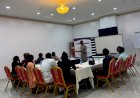
The dialogue, which attracted more than 120 participants from the National Assembly, petroleum industry regulators, government ministries, traditional institutions, host communities, civil society organisations, academia, development partners and the media, was convened by Spaces for Change, S4C, in partnership with the Nigeria Extractive Industries Transparency Initiative, NEITI, and the National Oil Spill Detection and Response Agency, NOSDRA, with support from the Ford Foundation.
With the theme, “Remediation Before Divestment and Energy Transition: Amplifying the Bille Environmental Crisis,” the meeting examined the environmental and public health implications of petroleum operations, the transfer of oil and gas assets, abandoned infrastructure and the responsibilities of operators to remediate polluted environments.
Participants expressed concern that the reported situation in Bille required urgent attention, even as further scientific investigations were needed to establish the sources and characteristics of the emissions.
Residents face water scarcity, livelihood losses
Community testimonies presented at the dialogue highlighted the difficulties confronting residents, including persistent gas emissions, strong odours, bubbling in waterways and subsurface locations, water contamination, sudden explosions and declining agricultural and fishing activities.
Women and young people reportedly described chest pains, boils, itching, fainting spells among children and prolonged stooling as some of the health problems being experienced in the community.
However, the communiqué stressed the need for credible scientific and medical investigations to establish the causes of the reported symptoms.
Participants were informed that water scarcity had become severe, with residents reportedly relying on sachet and bottled water for drinking, cooking, bathing and washing because of concerns about the safety of local water sources.
The situation has also reportedly affected domestic relations, with one testimony describing how a young woman was beaten for allegedly failing to wash her husband's traditional clothing properly because of the scarcity of clean water.
The dialogue further heard that fishing, farming and periwinkle harvesting had declined significantly over the past year, threatening the livelihoods of residents who depend on these activities.
Education has also suffered, as teachers and members of the National Youth Service Corps, NYSC, posted to the community have reportedly been reluctant to report for duty, leaving pupils with limited access to quality education.
Some parents have reportedly withdrawn their children from school over fears associated with the persistent bubbling and possible explosions.
A particularly disturbing incident cited at the meeting involved Joy Amos, who reportedly suffered an explosion in her bedroom after receiving a phone call. She died nine days later from injuries sustained in the incident.
The community representatives appealed for the bubbling to be contained and for authorities to address the environmental dangers confronting residents.
Chairman of the House of Representatives Committee on Host Communities, Rt. Hon. Dumnamene Robinson Dekor, reportedly described the situation as a ticking time bomb and a serious public health and human rights crisis requiring immediate, coordinated intervention.
Preliminary tests detect pollution
The dialogue was informed that preliminary technical investigations undertaken by NOSDRA and relevant institutions indicated that the soil, water and air in Bille Kingdom were polluted.
According to the communiqué, air quality assessments conducted across nine locations using multi-gas detectors revealed significant air pollution, with carbon dioxide, CO₂, identified as the dominant gas detected.
The investigations also examined volatile compounds and gases, including methane and carbon dioxide, to determine the nature and possible sources of the emissions.
Participants were cautioned that elevated hydrocarbon concentrations could include benzene, a substance known for its carcinogenic properties, underscoring the need for further testing and appropriate protective measures.
The communiqué explained that high concentrations of carbon dioxide could be associated with processes occurring beneath waterbeds, including fermentation, which may cause bubbling when gases reach the surface through organic matter.
Ageing infrastructure and decommissioning activities were also identified as possible factors requiring further investigation.
However, NOSDRA reportedly indicated that the investigations had not been concluded and that additional technical work, including gas fingerprinting, would be necessary to establish the sources and characteristics of the emissions.
The dialogue was informed that about 28 oil wells in the area were operated by four different companies.
According to the preliminary findings presented, the emissions had not been linked to the assets managed by any of the operators, with no gas leakage identified from their facilities.
The communiqué added that the operators had audited their assets, while a comprehensive study and a second round of testing were planned to validate the preliminary findings and establish the full extent of the risks.
Participants called for transparent communication of the findings and urged authorities to ensure that further investigations translated into concrete measures to protect residents.
Lake Nyos disaster cited as warning
The dialogue drew attention to the Lake Nyos disaster in Cameroon on August 21, 1986, as a warning about the potential dangers associated with the release of large quantities of carbon dioxide.
The rare natural disaster released a massive cloud of the gas, killing 1,746 people and approximately 3,500 livestock.
Because carbon dioxide is heavier than air, it accumulated close to the ground and displaced oxygen, suffocating people and animals within an area extending about 25 kilometres from the lake.
While the dialogue did not establish that Bille was facing an identical situation, participants warned that the reported emissions and bubbling should not be ignored while investigations remained inconclusive.
They called for the installation of air quality monitoring stations to establish emission trends, determine the extent of potential risks and provide reliable information for emergency planning.
The communiqué noted that the scale and spread of the emissions in Bille had not been fully established, stressing the need for credible scientific verification, transparent communication and precautionary measures.
It called for a coordinated response framework to link technical assessments with immediate risk management, containment, remediation and accountability.
Environmental liabilities must precede divestment
Beyond the immediate crisis in Bille, participants raised concerns about the environmental implications of petroleum asset divestments, insisting that changes in ownership must not become a means for companies to escape responsibility for pollution, abandoned wells and ageing infrastructure.
They called for environmental liabilities to be identified, valued, disclosed and independently verified before petroleum assets were transferred to new operators.
According to the communiqué, unresolved liabilities must not be transferred without clear and enforceable arrangements for their management and financing.
Participants also advocated transparent disclosure of decommissioning and abandonment obligations, remediation payments and Host Community Development Trust, HCDT, contributions by company and asset, subject to applicable legal requirements.
They maintained that environmental responsibility must remain central to decisions involving mergers, divestments and licence renewals.
The dialogue further examined Section 103 of the Petroleum Industry Act, PIA, 2021, which provides for an Environmental Remediation Fund, ERF, to support the rehabilitation and management of environmental damage arising from upstream petroleum operations.
The fund requires relevant licensees and lessees to make financial contributions based on specified risk categories and operational requirements.
However, participants were informed that the fund could be applied to the Bille crisis only if the environmental damage was established to be connected to the assets or activities of operators contributing to it.
The discussions highlighted the importance of credible scientific evidence in determining liability and identifying the appropriate financing mechanisms for remediation.
NOSDRA's proposed measures get attention
The dialogue also highlighted two policy instruments proposed by NOSDRA to strengthen environmental accountability in the petroleum industry.
The first is an Oil Spill Trust Fund, OSTF, intended to address funding gaps in responding to spills where liable parties cannot readily be identified, including certain incidents associated with sabotage and artisanal refining, subject to government funding arrangements.
The second is an Oil Spill and Associated Impact Liability Clearance Certificate, designed to clarify outstanding environmental obligations before mergers, divestments and licence renewals are concluded.
The communiqué stated that the two instruments were approved at the 18th National Council on Environment held in Katsina State in December 2025.
Participants said the instruments could help prevent operators from exiting petroleum assets without clarity on their environmental condition and outstanding obligations.
They called for clear implementation guidelines, transparent administration, adequate funding and effective enforcement to ensure that the measures delivered tangible results.
NEITI seeks improved emissions disclosure
The dialogue also emphasised the importance of environmental reporting and public access to information on the activities of oil and gas companies.
NEITI reportedly noted that oil companies were reporting their emissions, highlighting greenhouse gas and methane disclosures in the 2022 and 2023 oil, gas and mining audit processes as important steps towards improved transparency.
Participants maintained that credible environmental reporting should cover emissions, remediation expenditure, community payments and the social and economic consequences of extractive activities.
They warned that environmental disclosures would have limited impact if affected communities and civil society organisations could not access or understand the information.
The communiqué also recognised the contributions of civil society organisations, researchers, community-based groups and the media in documenting environmental conditions, generating evidence, amplifying community concerns and sustaining public accountability.
It noted that civil society organisations had undertaken independent scientific investigations into the Bille crisis, with some reporting high levels of methane emissions.
However, the communiqué said relevant agencies had called for independent research findings to undergo peer review and comply with applicable American Society for Testing and Materials, ASTM, standards.
Participants advocated stronger coordination among civil society organisations and called for increased use of satellite surveillance, gas-leakage monitoring, emissions tracking and fingerprinting technologies to improve environmental investigations.
Six-point action plan adopted
At the end of the deliberations, participants adopted a six-point action plan to address the Bille crisis and strengthen environmental accountability across Nigeria's extractive sector.
The first resolution called for a coordinated response framework involving government institutions, regulators, operators, health authorities, technical experts and community representatives to harmonise investigations, communicate findings, address immediate risks and develop a pathway towards remediation.
The second demanded comprehensive, independently verified audits of environmental liabilities, abandoned wells, ageing infrastructure, decommissioning obligations and outstanding remediation requirements associated with divested and divesting assets.
Participants also called for environmental liability clearance to become an integral part of petroleum asset divestments, mergers and licence renewals, backed by clear guidelines and enforceable compliance requirements.
The third resolution called for improved transparency in environmental financing, urging NEITI to work with NOSDRA, NUPRC, the Federal Ministry of Environment and other relevant institutions to strengthen disclosure of environmental payments, remediation contributions, decommissioning funds and HCDT contributions.
The fourth focused on improved environmental monitoring, data collection and institutional coordination through satellite surveillance, gas-leakage monitoring, fingerprinting and emissions tracking.
It also called for relevant findings to be made accessible to affected communities and the public, subject to applicable legal requirements.
The fifth urged authorities to protect public health, water security and livelihoods through appropriate health and water assessments, timely healthcare, safe water provision, risk communication and emergency protection where necessary.
Participants also called for livelihood recovery and ecosystem restoration to be integrated into long-term remediation programmes.
The sixth resolution demanded meaningful participation of host communities in environmental assessments, divestment decisions, emergency planning and remediation, with adequate representation of women, young people and other vulnerable groups.
Spaces for Change, NEITI and NOSDRA were urged to sustain stakeholder engagement and periodically communicate progress on commitments made at the dialogue.
Remediation must go beyond contaminated soil, water
Participants further stressed that environmental remediation must address not only contaminated soil and water but also the wider effects of pollution on public health, livelihoods and ecosystems.
Drawing lessons from the Hydrocarbon Pollution Remediation Project, HYPREP, they advocated the integration of potable water provision, healthcare, alternative livelihoods, mangrove restoration, skills development, community engagement and post-remediation monitoring into environmental restoration programmes.
They stressed that adequate financing, institutional coordination, community ownership and long-term monitoring were necessary to prevent renewed pollution and sustain environmental gains across the Niger Delta.
The dialogue concluded that Nigeria's energy transition should be measured not only by changes in petroleum asset ownership, production levels or energy sources but also by how environmental liabilities were managed, affected communities protected and damaged ecosystems restored.
It warned that the Bille crisis had exposed the need to move beyond fragmented interventions and repeated investigations towards coordinated, evidence-based and accountable action.
The communiqué reaffirmed that remediation obligations must be assessed, disclosed, financed and addressed through enforceable arrangements before petroleum assets are transferred.
S4C, NEITI and NOSDRA also reaffirmed their commitment to working with government institutions, regulators, host communities, civil society organisations, industry operators, technical experts and development partners to advance environmental accountability, responsible resource governance and community-centred remediation.