FG to scrap Junior Secondary School Exam, introduces learner ID to track pupils nationwide
 admin
Mar 22, 2026 08:46
104
0
admin
Mar 22, 2026 08:46
104
0
By Johnson Arua
The Federal Government has announced plans to phase out the Junior Secondary School (JSS) Common Entrance Examination, introducing instead a Learner Identification Number to track students from primary school through their academic journey.
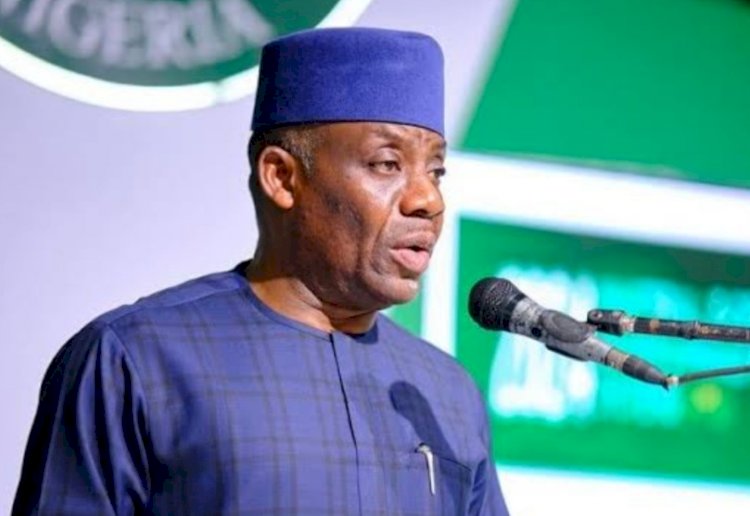
Education Minister Tunji Alausa revealed the proposed reforms during an interactive session with journalists in Lagos on Saturday.
The changes aim to improve access to education and ensure better monitoring of pupils across the country.
According to Alausa, the common entrance exam will be replaced by a Continuous Assessment (CA) system, which will track students’ performance from Primary One and even follow them if they transfer to another school.
“The CA will reflect the performance of the pupil from primary one and even if a pupil is transferring from one school to another, he will take it along to his new school,” he explained.
The minister highlighted that the reforms are designed to address gaps in the transition from primary to secondary school, particularly the large number of pupils who fail to progress.
Presenting data, Alausa noted that while there are over 50,000 public primary schools with more than 23 million pupils, only slightly over 3 million continue to junior secondary school in public institutions. “Where are the other 20 million?” he asked, stressing the urgent need to expand access by building more schools.
To strengthen student tracking, the government will introduce a unique Learner Identification Number for every child, ensuring authorities can monitor academic progress and identify dropouts.
“If somebody is expected to be in JSS class one and he is not there, we will be able to know the reason why he is not continuing his education,” Alausa said.
The minister also disclosed plans to revive the school feeding program to boost enrollment, which may be moved to the Federal Ministry of Education for more effective monitoring.
These reforms are part of broader government efforts to strengthen the education sector, improve retention rates, and ensure more Nigerian children complete their basic education.