Benue Journalists trained to champion disability rights in Nigerian Women Trust Fund media advocacy program
 admin
Feb 25, 2026 09:06
126
0
admin
Feb 25, 2026 09:06
126
0
By Johnson Arua
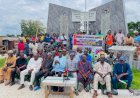
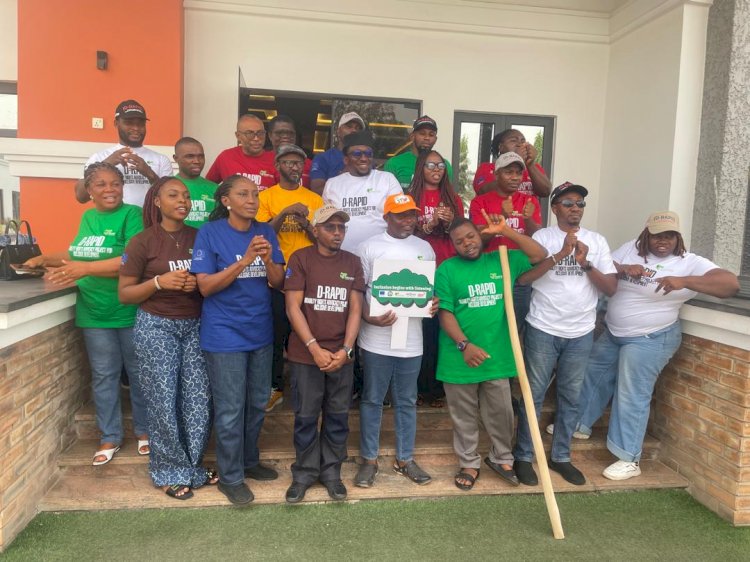
The Nigerian Women Trust Fund (NWTF) has successfully concluded a two-day media advocacy training for journalists, aimed at raising awareness on disability inclusion and rights under the Disability Rights Advocacy Project for Inclusive Development (D-RAPID).
The project, co-funded by the European Union and Christian Blind Mission (CBM), is being implemented in Benue State.
Speaking at the opening session in Makurdi on Tuesday, D-RAPID Monitoring and Evaluation Officer, Mr. Victor Diji, said the training is designed to enhance the knowledge, technical skills, and institutional commitment of print, radio, television, and digital media professionals in Benue. The goal is to empower them to act as proactive advocates for disability inclusion.
Diji explained that the program aims to deepen participants’ understanding of the legal framework governing disability rights, including the Benue State Disability Law and the National Disability Act, with particular focus on enforcement, domestication, and the media’s role in promoting accountability.
“The objective is to build competencies in ethical, rights-based, and inclusive reporting, equipping journalists to use dignity-focused language, avoid harmful stereotypes, and ensure accurate representation of persons with disabilities,” Diji said.
The training also focused on strengthening media advocacy skills, enabling journalists to strategically frame disability issues, influence public discourse, support policy implementation, and leverage their platforms for social change.
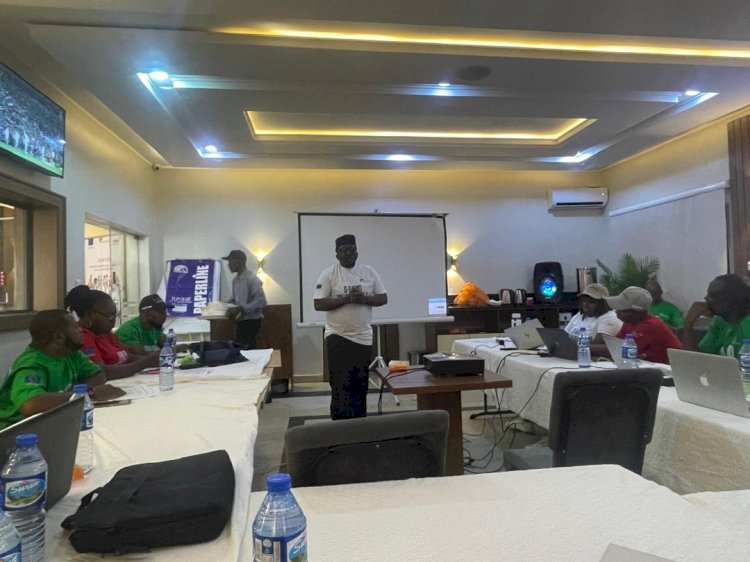
Participants were taught practical content development skills, including gender- and disability-sensitive storytelling, inclusive interviewing techniques, and the production of accessible media content across radio, television, and digital platforms.
“This program seeks to move media professionals from awareness to action, positioning them as informed partners in advancing disability rights, increasing public awareness, and supporting inclusive development,” Diji added.
Benedicta Kave, Program Officer of D-RAPID, said the project will run for three years and is being implemented in three Local Government Areas (LGAs) representing Benue’s senatorial zones: Tarka, Ushongo, and Okpokwu.
The initiative also aims to create an accurate database of persons with disabilities in the state and across Nigeria.
Project Coordinator Daniel Ogabiela led sessions on topics including Disability-Inclusive Development (DID) principles and practices, the role of media in promoting disability rights, and ethical reporting on disability issues. He urged media practitioners to embrace their critical role in highlighting and championing the welfare of persons with disabilities.
Participants, drawn from various media organizations and stakeholders in Benue, committed to applying the knowledge gained to drive inclusive reporting and sustained media engagement on disability issues.