Benue Moves to Sustain HIV/AIDS Services for 197,000 Patients
 admin
Oct 11, 2026 07:59
1
0
admin
Oct 11, 2026 07:59
1
0

By Tolu Temidire
The Benue State Government has constituted a seven-man technical team to develop a sustainability plan for HIV/AIDS services as international donor funding for APIN Public Health Initiatives gradually winds down.
The move is aimed at safeguarding treatment and care services for more than 197,000 people currently receiving HIV/AIDS care through APIN-supported interventions across the state.
The team, headed by the Commissioner for Health and Human Services, Dr Paul Ogwuche, has been given seven days to review existing sustainability gaps, prioritise critical interventions, identify alternative funding opportunities and develop a realistic, costed action plan.
The plan will be submitted through the office of the Secretary to the State Government, SSG, Deborah Aber, for presentation to the next State Executive Council meeting for consideration.
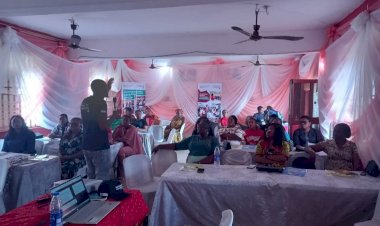
Aber announced the constitution of the team at the APIN State Programme and Sustainability Performance Scorecard Review Meeting held in Makurdi at the weekend.
She said the team would comprise representatives of the Ministry of Health, Office of the Head of Service, Ministry of Finance, Budget and Economic Planning Commission, Benue State Bureau for International Cooperation and Development, State Health Insurance Agency, APIN Public Health Initiatives and the Benue State Investment Promotion Agency.
The SSG commended APIN for its contributions to the state's health sector, particularly in HIV/AIDS treatment and care, laboratory infrastructure, healthcare personnel and improved treatment outcomes.
She noted that more than 183,000 people were receiving HIV treatment through supported services across 264 health facilities, describing the achievement as a significant milestone that must be protected despite changing funding arrangements.
Aber stressed the need for the state to strengthen domestic financing, integrate successful health interventions into government systems and ensure that essential healthcare services were not disrupted by the withdrawal or reduction of external funding.
She reaffirmed the commitment of the administration of Governor Hyacinth Alia to working with APIN and other development partners to sustain the gains recorded in the health sector.
The SSG insisted that no patient should be denied life-saving treatment because of funding challenges, stressing that the transition from donor-supported programmes must be carefully planned to protect the lives of people living with HIV.
Speaking at the meeting, the State Programme Lead of APIN Public Health Initiatives, Mr Enebi Achimogu, disclosed that the organisation was currently providing HIV/AIDS care services to more than 197,000 people across Benue State.
He explained that the services included the provision of antiretroviral drugs and other essential interventions designed to improve the health and well-being of people living with the virus.
Achimogu said APIN, formerly known as the AIDS Prevention Initiative in Nigeria, had invested significantly in HIV/AIDS interventions in the state over the years, with funding support from the United States Government.
According to him, the partnership had helped expand access to treatment and healthcare services for people living with HIV across the state.
He, however, expressed concern over the reduction in programme funding, noting that the development had made it necessary for the state government to prepare to assume greater responsibility for sustaining the services and protecting the gains already recorded.
The APIN programme lead urged the state government to commence implementation of the Benue State Health Insurance Scheme as part of a long-term sustainability strategy.
He explained that the scheme would improve residents' access to healthcare services while reducing the financial burden associated with medical treatment.
In his remarks, Ogwuche said interventions by APIN and other development partners had significantly improved the lives of people living with HIV in the state.
He said the Alia administration recognised the importance of sustaining the programme's achievements and was developing strategies to retain its workforce and maintain essential services currently delivered through the intervention.
The commissioner emphasised the need for continued collaboration between the state government and development partners to guarantee continuity of care and prevent disruptions to treatment as funding arrangements changed.
"There is need for continued collaboration between the state government and development partners to ensure the uninterrupted provision of HIV/AIDS treatment and care services to residents," he said.
The performance review meeting provided an opportunity for stakeholders to assess the programme's achievements, identify sustainability challenges and develop strategies to strengthen government ownership and domestic financing of HIV/AIDS services in Benue State.