Stakeholders meet in Makurdi to strengthen Benue’s early warning, response framework
 admin
Apr 17, 2026 10:39
85
0
admin
Apr 17, 2026 10:39
85
0

By Johnson Arua
The Benue State Emergency Management Agency (Benue SEMA), in partnership with the United Nations High Commissioner for Refugees (UNHCR), has organized a stakeholders’ engagement to enhance Early Warning and Early Response (EWER) systems in the state.
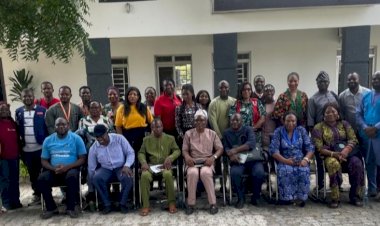
The meeting, held in Makurdi, brought together representatives of government institutions, humanitarian organizations, and other key actors to deliberate on improving coordination and responsiveness in addressing emergencies.
In his remarks, the Executive Secretary of Benue SEMA stressed the importance of developing a more efficient and integrated system, noting that recurring security threats and displacement continue to pose serious humanitarian concerns in the state.
“Benue is confronted with persistent challenges, including armed violence and communal clashes, which require a more proactive and coordinated response,” he said.
He observed that while mechanisms for early warning exist, they have not delivered optimal results due to weak linkages between information gathering and response action.
“There is a clear need to ensure that alerts generated at the community level are promptly verified and acted upon. Early warning must translate into early response,” he stated.
The Executive Secretary described the engagement as a critical move toward building a stronger, government-led framework that would improve crisis preparedness and minimize risks to vulnerable groups.
A major component of the initiative is the rollout of the PROTECT tool, which is expected to improve how risks are identified, analyzed, and addressed across communities.
According to him, the system will enhance collaboration among stakeholders, streamline information sharing, and establish clear operational roles to ensure swift action when threats are detected.
“It will also promote accountability and adherence to key protection principles, including the ‘do no harm’ approach and respect for affected populations,” he added.
He called for sustained collaboration among all stakeholders, emphasizing that collective effort is essential for effective humanitarian response.
“No single organization can manage these complex challenges alone. We must work together to build a system that is both responsive and sustainable,” he said.
Reaffirming the agency’s commitment, he assured that Benue SEMA would continue to coordinate emergency response efforts while strengthening partnerships with security agencies, MDAs, local authorities, and humanitarian partners.
The engagement is expected to produce practical recommendations that will improve preparedness, speed up response, and reduce the impact of crises across Benue State.
Participants at the meeting included officials from ministries, departments, and agencies, as well as local and international partners.