Benue begins 2026 National Learning Assessment, trains assessors for statewide exercise
 admin
Jul 1, 2026 12:01
53
0
admin
Jul 1, 2026 12:01
53
0

By Johnson Arua
Benue State has commenced the 2026 National Learning Assessment (NLA) with the training of assessors ahead of the statewide exercise aimed at measuring learning outcomes and improving the quality of basic education.
The assessment follows the declaration of June 29 to July 5, 2026, as National Learning Assessment Week by the Minister of Education, Dr. Tunji Alausa. It is being jointly implemented by the Federal Ministry of Education, the Universal Basic Education Commission (UBEC), the World Bank and UNICEF.
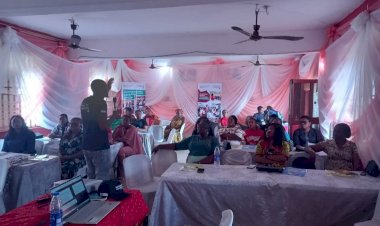
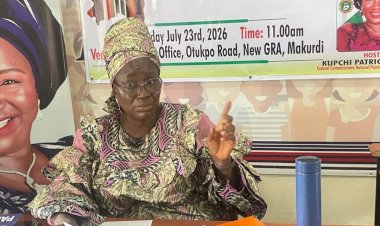
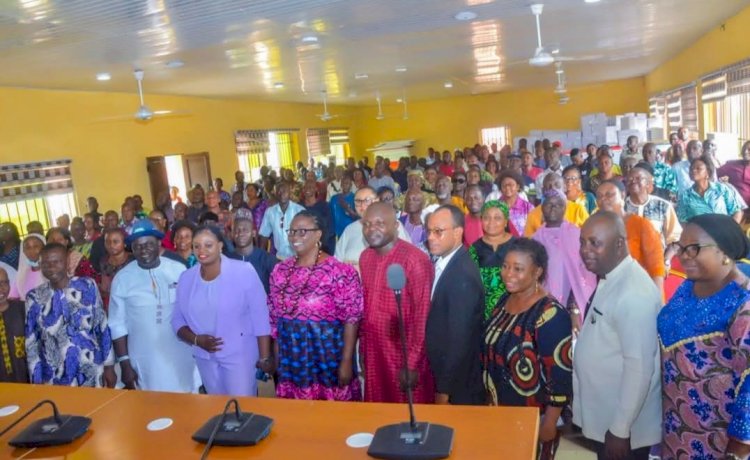
Speaking at the training held at the Benue State Universal Basic Education Board (SUBEB) headquarters in Makurdi, the Executive Chairman of Benue SUBEB, Dr. Grace Adagba, described the exercise as a strategic initiative designed to provide reliable data on learners' performance and strengthen the quality of education delivery in the state.
She disclosed that a pilot phase of the assessment was conducted in May 2026 in three local government areas, while the main exercise would cover 11 Local Government Education Authorities (LGEAs).
According to Adagba, the assessment comes at a critical time following the recruitment of over 9,000 teachers by the administration of Governor Hyacinth Alia, noting that the outcome would help identify learning gaps, evaluate progress and guide evidence-based interventions to improve pupils' academic performance.
Declaring the commencement of the exercise, the National Learning Assessment Team Lead from UBEC headquarters, Dr. Phoebe Jatau, explained that the NLA harmonises the National Monitoring of Learning Achievement (NMLA) and the National Assessment on Learning Achievement in Basic Education (NALABE).
She said the exercise would generate credible data to support education planning and policy formulation, adding that pupils in Basic Three, Basic Five, Basic Nine and Senior Secondary School II in both public and private schools across the country would participate in the assessment.
Jatau urged assessors to conduct the exercise with transparency, integrity and professionalism, stressing that accurate and credible data remain indispensable for effective educational planning and informed policy decisions.
Participants at the training included principals and head teachers from the 11 LGEAs, quality assurance officers, SUBEB board members, and representatives from the Federal and State Ministries of Education.