
Benue launches strategic health training to curb maternal and child mortality
 admin
Mar 23, 2026 11:16
338
0
admin
Mar 23, 2026 11:16
338
0
By James Ike
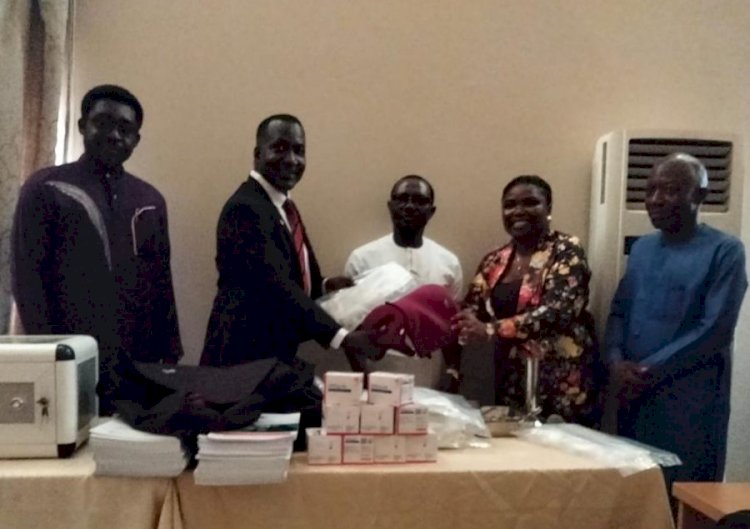
The Benue State Government has intensified its commitment to improving maternal and child health with the launch of a strategic training programme aimed at strengthening healthcare delivery across the state.
The five-day Training of Master Trainers will focus on Comprehensive Abortion Care, Post-Abortion Care, Family Planning, Safe Delivery, and Antenatal Services, forming a central part of the state’s ongoing health transformation agenda under Governor Hyacinth Iormem Alia.
Opening the programme, the Commissioner for Health and Human Services, Dr. Paul Ejeh Ogwuche, said the initiative demonstrates the government’s resolve to translate policy into measurable impact within communities.

Dr. Ogwuche highlighted persistent challenges in maternal and child health, citing an under-five mortality rate of 53 per 1,000 live births and a neonatal mortality rate of 19 per 1,000, with maternal deaths largely driven by preventable causes.
“The health sector under Governor Alia is shifting from routine interventions to structured, results-oriented programmes designed to strengthen service delivery at all levels,” he said.
The training aims to produce skilled Master Trainers from Gwer-West and Okpokwu Local Government Areas, LGAs, who will then mentor frontline health workers across the state.
This cascading model is intended to ensure government investments directly translate into improved care for women and children at the grassroots.
Dr. Ogwuche emphasized that the programme aligns with the 2025–2027 State Health Strategic Plan, which seeks to deliver safer pregnancies, boost family planning uptake, and improve overall health outcomes.

He also acknowledged the support of IPAS Nigeria Health Foundation and reiterated the government’s focus on accountability, quality care, and measurable results.
He urged participants to uphold professionalism, confidentiality, and respect in service delivery, adding that the state anticipates increased antenatal attendance, more skilled birth deliveries, and a sustained reduction in preventable maternal and neonatal complications as the programme progresses.