“From crisis to recovery”: Alia tells diaspora Benue is regaining stability, charts path for growth
 admin
Mar 22, 2026 05:11
76
0
admin
Mar 22, 2026 05:11
76
0
By Johnson Arua
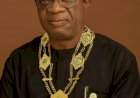
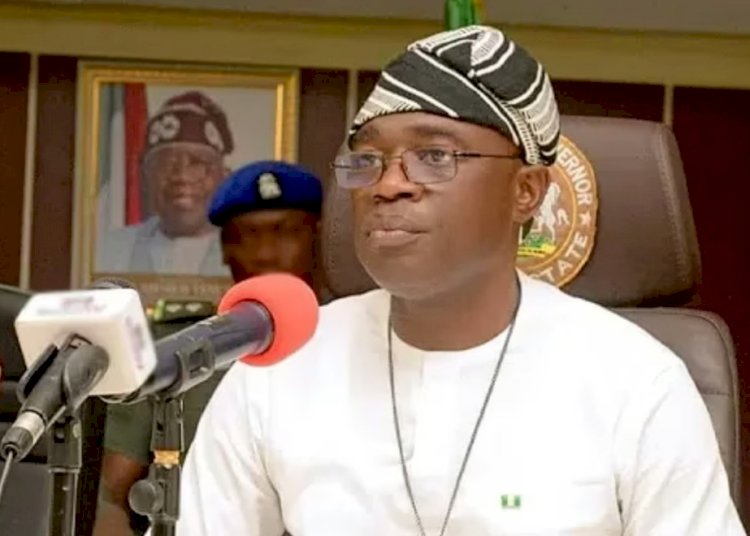
Benue State Governor, Rev. Fr. Hyacinth Alia has assured citizens at home and abroad that the state is steadily recovering from years of instability, as his administration intensifies efforts to restore security, revive the economy, and rebuild critical sectors.
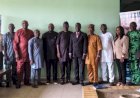
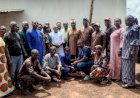
The Governor gave the assurance during the 2nd Virtual Town Hall Meeting with the Benue diaspora community, organised by the Benue State Directorate for Diaspora Linkages and Investments and hosted by its Director-General, Dr. Abraham T. Girgir.
Addressing participants who joined from different parts of the world, Alia expressed appreciation for their continued interest in the state’s affairs, noting that their engagement remains vital to Benue’s development.
Reflecting on his time in office, the Governor said his administration took over a state in distress.
“We met a system that was struggling, institutions were weak, the economy was down, and insecurity had taken hold in several local government areas. What we have done since then is to stabilise the situation and begin the process of rebuilding," he said.
On security, Alia disclosed that incidents of violence, which once spread across about 17 Local Government Areas, have now been reduced significantly.
“Today, what we have are just a few pockets of concern. This progress is a result of strong collaboration with federal authorities and security agencies, as well as the introduction of modern, technology-based security measures," he said.
The Governor however noted that challenges persist due to the state’s porous borders but assured that efforts are ongoing to consolidate the gains recorded.
Speaking on the plight of internally displaced persons, the Governor revealed that over 600,000 were displaced at the peak of the crisis in late 2025. He added that many are now returning voluntarily.
“Our priority is to ensure that all displaced persons return safely and are fully reintegrated into their communities,” he said.
Alia also acknowledged the support received from key partners, including the First Lady, Senator Oluremi Tinubu, as well as organisations such as UBA, the DSS, and the Nasarawa State Government, noting that their interventions total about ₦1.27 billion.
In the education sector, the Governor disclosed that more than 22 per cent of the 2026 budget has been earmarked for improvements. "We are determined to fix our schools and provide a better learning environment for our children. At the same time, we are making significant investments to upgrade our healthcare system," he added.
Highlighting progress on the economic front, Governor Alia said his administration wass focused on reviving industries and boosting local production.
He said “We are resuscitating key assets like Taraku Mills and strengthening our agricultural base, particularly in soybean production. We also have several factories now operational, producing items such as juice, bread, and beverages to stimulate economic activity.”
On infrastructure, the Governor pointed to ongoing road projects across the state saying “we are opening up the state through improved road networks and partnering with the Federal Government on major projects like the Wurukum flyover."
He further revealed plans to improve housing for civil servants and attract investment through the proposed “Renewed Hope Estate” in Makurdi.
During the interactive session, participants including Mwuese Vershima and Dr. Emmanuel Ejembi raised questions on governance and the state’s future.
In response, Alia acknowledged the challenges of leadership, especially in a politically charged environment.
“There will always be differing opinions, particularly as we approach another election cycle. But rebuilding a state like Benue requires patience, it is a gradual process.”
The Governor reiterated his willingness to listen and adapt, calling on the diaspora to remain active partners in development.
“We value your ideas, your expertise, and your commitment. Together, we can move Benue forward.”
He sued for unity, stressing that collective effort remains the foundation for lasting progress. “Our strength lies in our unity. That is how we will build the Benue we all desire.”