NIDO Africa sensitises Benue students on dangers of human trafficking and drug abuse, distributes flyers, books
 admin
Mar 6, 2026 10:06
87
0
admin
Mar 6, 2026 10:06
87
0
By Johnson Arua
The Nigerians in Diaspora Organization Africa (NIDO Africa) has intensified its campaign against human trafficking and drug abuse with a sensitisation programme for students in Benue State
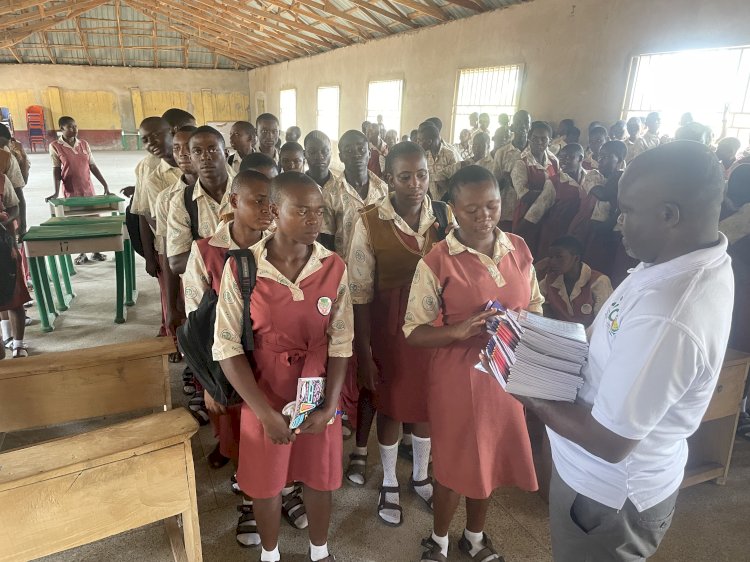
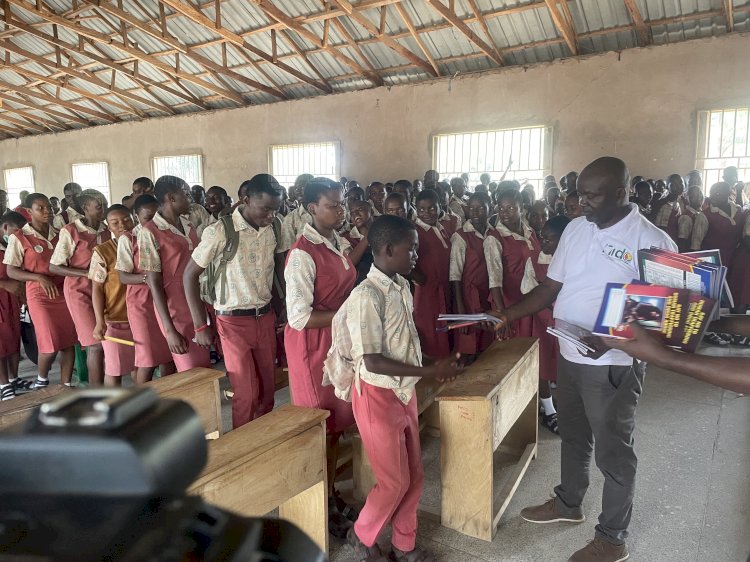
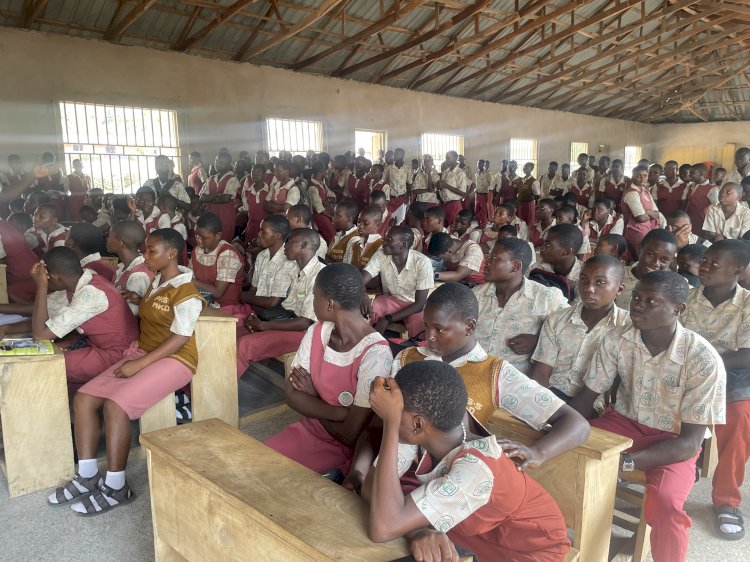
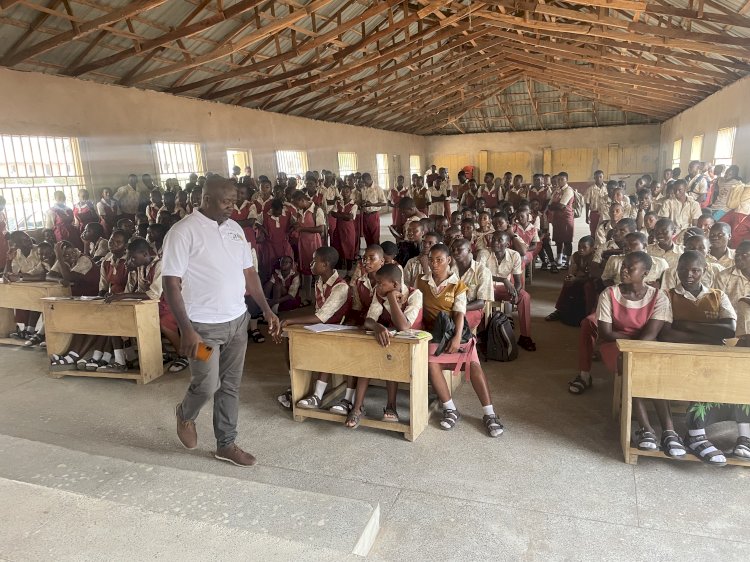
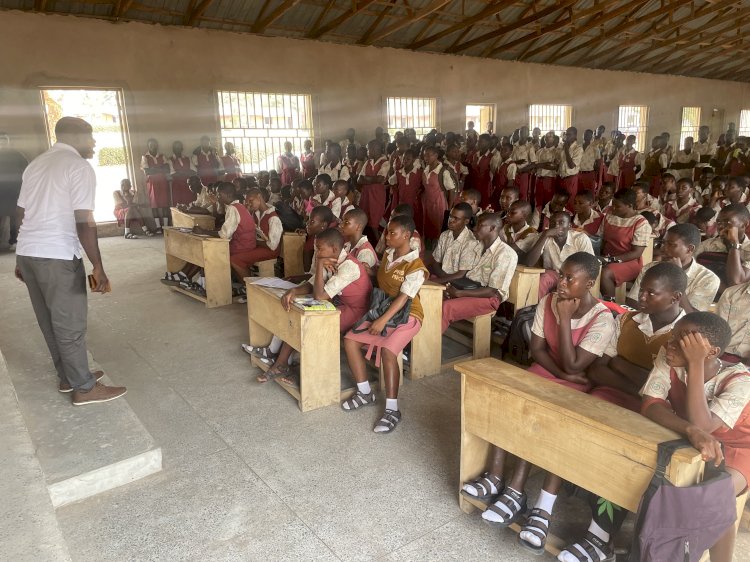
The awareness exercise took place at Padopas Harmony Secondary School in Makurdi, where students were educated on the risks and consequences of trafficking and substance abuse.
The programme was led by the Continental Chairman of NIDO Africa, Jude Osakwe, who said the organisation decided to take the campaign directly to schools in order to educate young people at the grassroots level.
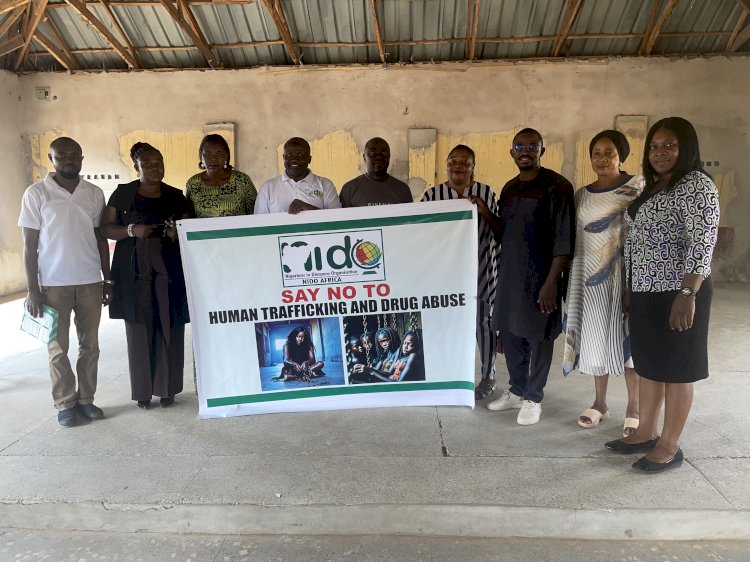
Osakwe explained that human trafficking and drug abuse have continued to threaten the future of many Nigerian youths, making it necessary to raise awareness among students and their parents.
“We are here at Padopas Harmony Secondary School to talk to the children about the dangers of child trafficking and drug abuse because these issues are eating deep into the fabric of our nation,” he said.
He noted that many young people are deceived with promises of better opportunities abroad, only to end up in exploitative situations.
“Some of the girls who are taken abroad end up in prostitution, while many boys are forced into labour. In some cases, victims are trafficked for organ harvesting,” Osakwe said.
According to him, the awareness campaign is aimed at educating children early enough so they can recognise and avoid traffickers who lure victims with false promises.
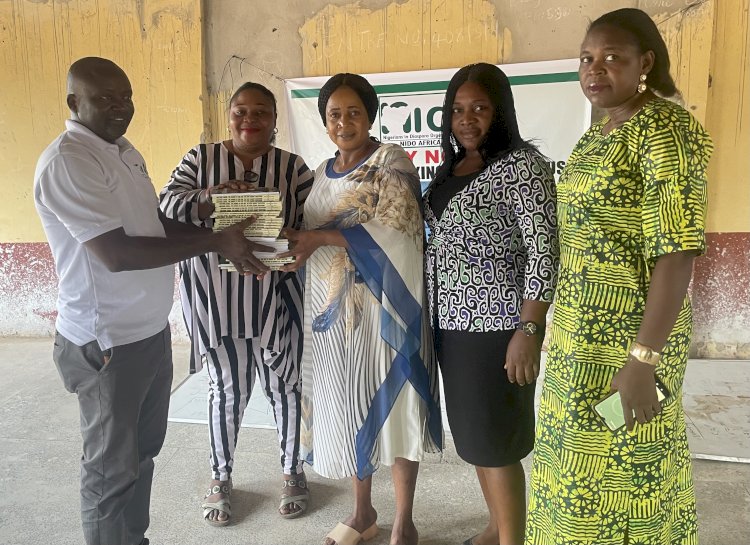
He said the organisation also distributed flyers, textbooks and customised notebooks with messages highlighting the dangers of trafficking and drug abuse to help reinforce the message among students.
Osakwe disclosed that the problem of human trafficking remains widespread in Nigeria and across the West African region.
“We rescue Nigerians almost every day, particularly in West African countries,” he said, noting that illegal migration is more common in North Africa where migrants attempt to cross the Mediterranean Sea into Europe.
“In the West African sub-region, the major challenge we face is human trafficking,” he added.
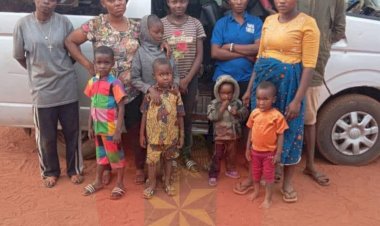
 He revealed that within one year, the organisation helped rescue more than 2,000 Nigerian children from trafficking networks in Ghana.
Osakwe also recounted a disturbing case involving a trafficker who smuggled 15 Nigerians into Ghana, including two of his own sisters.
“Fortunately, the victims were rescued and the trafficker was arrested and sentenced to 15 years imprisonment in Ghana,” he said.
Also speaking, the Makurdi Zonal Command of the National Agency for the Prohibition of Trafficking in Persons (NAPTIP), represented by its Head of Public Enlightenment, Torkwase Yaji, described the sensitisation programme as timely and important.
Yaji, who represented the Zonal Commander, Gloria Bai, said creating awareness among young people is essential in preventing trafficking and protecting children from exploitation.
She added that many Nigerian children are currently trapped in countries such as Ivory Coast, Benin Republic and Ghana, stressing the need for stronger collaboration to address the problem.
Vice Principal (Academics) of the school, Catherine Achagh, commended NIDO Africa for bringing the awareness campaign to the school.
“This topic is very important because it affects our communities and the students need to be aware of it,” she said.
Similarly, the teacher in charge of the school’s anti-human trafficking project, Lynda Bem, described the programme as timely, noting that many children are being deceived with promises of better jobs abroad.
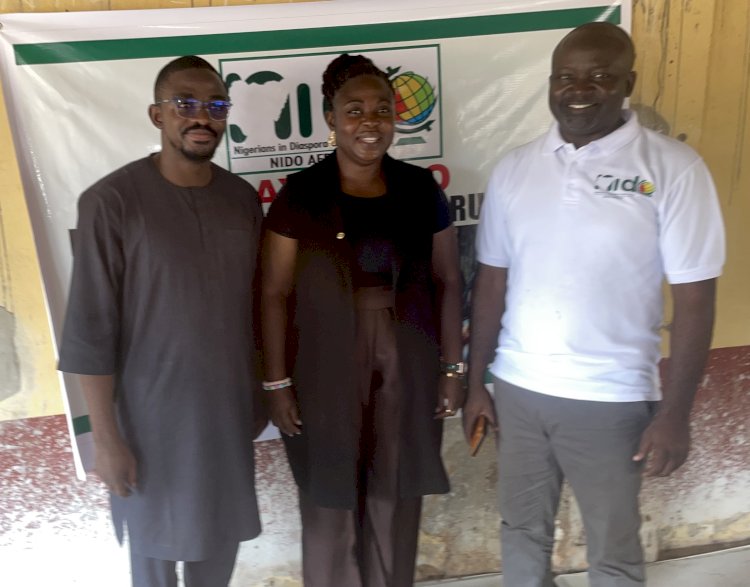
She said the sensitisation would help students understand the dangers associated with trafficking and drug abuse.
Some students who attended the programme also shared their thoughts, describing the campaign as an eye-opener.
An SS3 student, Samuel Adikpe, said he learned the importance of always informing his parents or guardians about his movements.
Another student, Priscillia Terna, said the awareness session helped her and her classmates better understand the consequences of human trafficking and drug abuse.
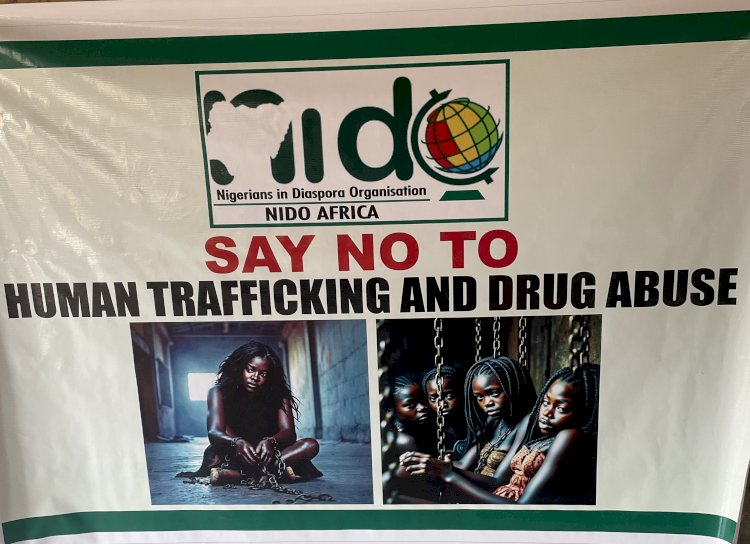 The event featured an interactive session where students were educated on how trafficking networks operate and the need to remain vigilant, while educational materials were distributed to reinforce the anti-trafficking message.