
Trump signals possible swift end to U.S. war on Iran as tensions and global concerns mount
 admin
Mar 11, 2026 11:41
80
0
admin
Mar 11, 2026 11:41
80
0
By Johnson Arua
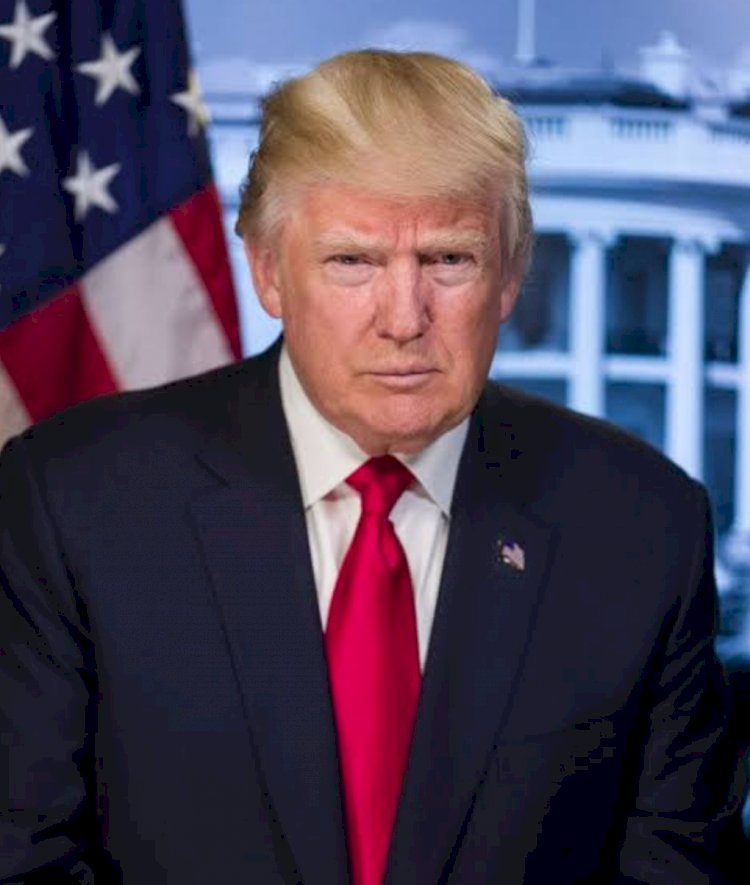
U.S. President Donald Trump on Wednesday indicated that the ongoing conflict between the United States and Iran could soon come to an end, claiming there were few remaining targets for American forces in the country.
Speaking in an interview with Axios, Trump said there was “practically nothing left to target” in Iran, suggesting that the war might conclude sooner than expected.
“Any time I want it to end, it will end,” the U.S. president was quoted as saying, reinforcing his earlier remarks that the conflict could wrap up “soon.”
Trump has, however, sent mixed signals about the duration and objectives of the military campaign. While hinting at a possible quick conclusion, the administration continues to face mounting scrutiny both domestically and internationally over the consequences of the joint U.S.-Israeli operation against Iran.
The conflict has sparked concerns about global economic instability, particularly over the possibility of disruptions to vital oil shipping routes.
Analysts warn that Iranian retaliation could affect tanker movements through the Strait of Hormuz, a strategic waterway through which a significant portion of the world’s oil supply passes.
At home, the 79-year-old Republican leader is also facing political pressure amid negative polling and criticism that the White House initiated the military campaign without adequately preparing for its potential economic and geopolitical fallout.
Some political observers believe Trump may be considering a swift end to the conflict to limit political damage to his party ahead of the November midterm elections, which will determine control of the U.S. Congress.
Despite Trump’s remarks, Israel signaled that its military operations would continue. Israeli Defense Minister Israel Katz said on Wednesday that the campaign against Iran would proceed “without any time limit.”
“This operation will continue as long as necessary until we achieve all the objectives,” Katz stated.
Iran, meanwhile, has warned that it is prepared for a prolonged confrontation. Ali Fadavi, an adviser to the commander-in-chief of Iran’s Revolutionary Guards, cautioned that the United States and Israel could face a drawn-out war with severe economic consequences.
“The United States and Israel should consider the possibility that they will be engaged in a long-term war of attrition that will destroy the entire American economy and the world economy,” Fadavi told Iranian state television. He added that such a conflict could also gradually erode the military capabilities of both nations.
Meanwhile, tensions in the region appeared to escalate further on Wednesday when Iran’s Revolutionary Guards claimed responsibility for attacks on two vessels in the Strait of Hormuz.
According to the Guards, a Liberia-flagged vessel and a Thai bulk carrier were targeted in the strategic maritime corridor.
The Strait of Hormuz remains one of the world’s most critical oil transit routes, and any disruption there could have far-reaching implications for global energy markets and international trade.
As the situation unfolds, global leaders and markets continue to watch closely, amid uncertainty over whether the conflict will indeed end soon or evolve into a broader and prolonged regional confrontation.