Obi questions benefits of Tinubu’s 30-day petrol discount
 admin
Oct 11, 2026 11:06
1
0
admin
Oct 11, 2026 11:06
1
0
By Johnson Arua
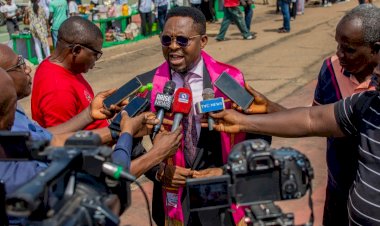
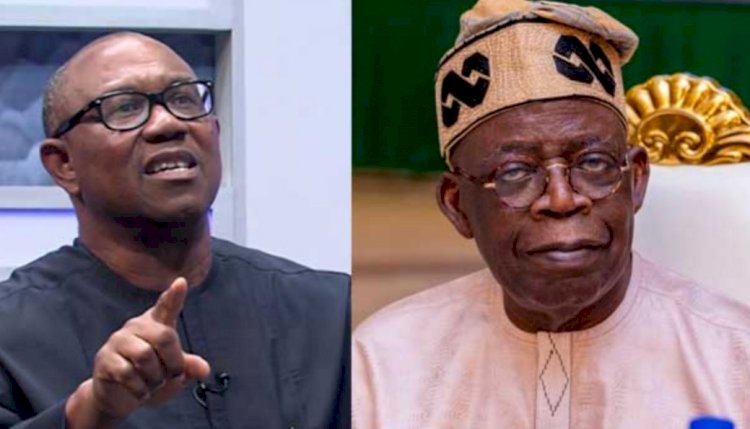
Peter Obi, presidential candidate of the Nigeria Democratic Congress (NDC), has questioned the effectiveness of the Federal Government’s 30-day petrol price discount, demanding to know whether the initiative would address poverty, unemployment, insecurity and inequality in the country.
Obi, a former governor of Anambra State, raised the concerns in a statement posted on his X account on Sunday, describing the initiative as a reactive policy that prioritises political considerations over sound economic planning.
He argued that the discount, which he said represents less than five per cent of petrol costs, would have little impact on the economic hardship confronting millions of Nigerians.
According to him, the initiative reflects a pattern of inconsistent policymaking under President Bola Tinubu’s administration, insisting that temporary relief measures cannot substitute for a comprehensive strategy to address the country’s economic challenges.
“The announcement by the APC-led Federal Government offering a 30-day discount on price of petrol to relieve the acute hardship and hunger caused Nigerians by its unplanned removal of subsidy can only be described as another very reactive and confused approach to governance that is now the culture of the Tinubu Government,” Obi said.
The NDC presidential candidate explained that he had delayed commenting on the policy to allow sufficient time to assess its implications but maintained that the measure had yet to demonstrate a sustainable approach to alleviating the economic difficulties facing Nigerians.
He recalled that Tinubu announced the removal of the petrol subsidy on May 29, 2023, arguing that the decision was taken without adequate consultation or a comprehensive assessment of its likely consequences for the economy and citizens.
Obi also faulted the government's subsequent economic measures, including the floating of the naira and tax reforms, alleging that the policies were introduced without proper coordination and sequencing.
He further criticised the administration's handling of multiple budgets, arguing that the cumulative effects of its economic decisions had contributed to inflation and the rising cost of goods and services.
According to Obi, the consequences extend beyond rising prices to include increasing multidimensional poverty, business closures, unemployment, insecurity, widening inequality and the migration of young Nigerians in search of better opportunities abroad.
He maintained that the government should undertake a comprehensive assessment of the broader implications of its economic policies before introducing temporary interventions aimed at easing public hardship.
Consequently, Obi called for a comprehensive and publicly accessible regulatory impact assessment of government policies to determine their effects on the economy and citizens' living conditions.
He said such an assessment would help the government identify policy gaps, make necessary adjustments and develop more effective interventions to improve living standards and expand economic opportunities.
The former Anambra governor also stressed the need for broader consultations with stakeholders and ordinary Nigerians in the formulation of policies designed to promote sustainable economic growth.
Questioning the objectives of the 30-day petrol discount, Obi asked whether the initiative was intended to stimulate economic productivity and exports, determine the feasibility of restoring the petrol subsidy or serve political interests ahead of the 2027 general elections.
“Will it reduce poverty, unemployment, insecurity, and inequality? Will it increase productivity and exports? Is it a test to ascertain if subsidy should be restored? Is it another political gambit in the face of threats of electoral loss in the 2027 election?” he asked.
“Too many questions, no answer!” Obi added.