IGP inaugurates seven-member committee to design operational framework for state police in Nigeria
 admin
Mar 4, 2026 09:49
141
0
admin
Mar 4, 2026 09:49
141
0
By Johnson Arua
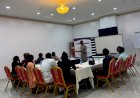
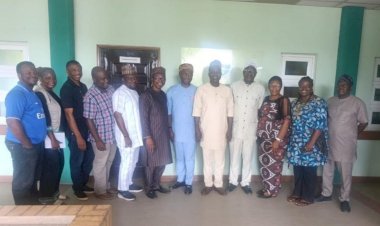
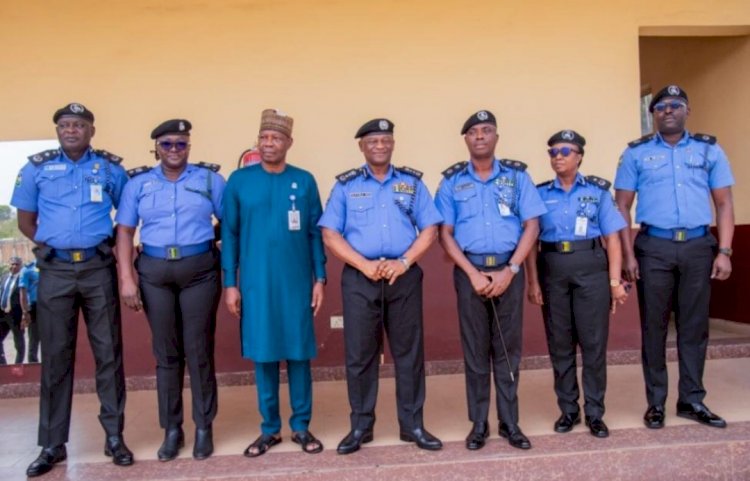
The Inspector-General of Police, Tunji Disu, has inaugurated a seven-member committee to oversee the proposed implementation of state policing in Nigeria. The committee was formally constituted on Wednesday as part of ongoing efforts to decentralise the country’s security architecture and strengthen internal safety mechanisms.
The panel will be chaired by Olu Ogunsakin, a professor of police studies, who is expected to lead deliberations on developing a comprehensive roadmap for state police operations. Other members include Bode Ojajuni (secretary), Okebechi Agora, Suleyman Gulma, Ikechukwu Okafor, Tolulope Ipinmisho, and Emmanuel Ojukwu.
Speaking at the inauguration ceremony, Disu, who was recently appointed as Nigeria’s police chief, described the assignment as both timely and critical to national development. He charged members of the committee to approach their task with professionalism, objectivity, and a clear understanding of the complexities involved in policing a diverse nation like Nigeria.
According to the IGP, the committee is expected to propose a detailed operational framework for the establishment and coordination of state police structures. He emphasised that the model must be carefully designed to complement existing federal policing structures rather than weaken or fragment the country’s overall security system.
Disu further directed the committee to examine key issues such as recruitment standards, training requirements, resource allocation, and accountability mechanisms. He stressed the importance of developing strong oversight systems capable of ensuring professionalism, discipline, and public trust in any future state-controlled police formations.
The committee is also tasked with reviewing policing models both within and outside Nigeria, assessing emerging security threats across the country, and identifying community-specific safety needs. The IGP noted that decentralised policing could enable quicker responses to local security challenges by bringing law enforcement closer to the people.
“If thoughtfully designed and effectively implemented, state policing holds significant potential benefits for our country,” Disu said. He added that empowering states to address their unique security dynamics could enhance intelligence gathering, improve community engagement, and strengthen coordinated responses to crime.
The move aligns with repeated commitments by President Bola Tinubu, who has pledged to establish state police as part of broader reforms to tackle insecurity. Tinubu recently requested that the National Assembly amend the 1999 Constitution to provide a legal framework for state policing. Lawmakers have since commenced the constitutional amendment process aimed at formalising the creation of state police structures nationwide.