Troops intercept suspected bandits' supply convoy, arrest six in Borno
 admin
Jul 20, 2026 09:45
48
0
admin
Jul 20, 2026 09:45
48
0
By Johnson Arua
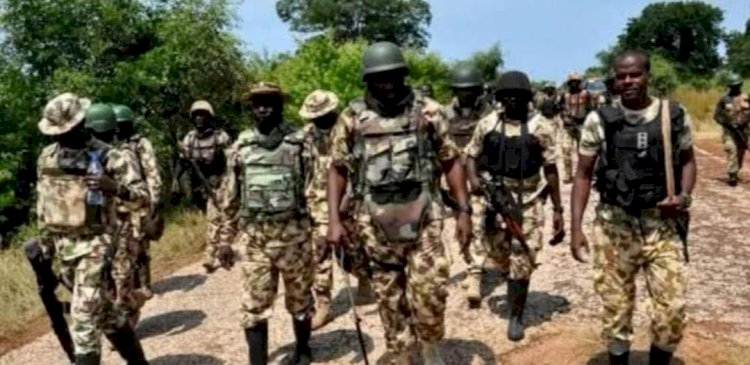
Troops of Sector 1, Operation HADIN KAI, have intercepted a convoy of vehicles allegedly conveying supplies to terrorists in Borno State, arresting six suspects and recovering a large consignment of items believed to be intended for insurgents.
The operation, carried out following credible intelligence, saw the troops mount a covert stop-and-search operation at about 4:00 p.m. along a route in Borno State frequently used by suspected logistics suppliers to terrorist groups in the North-East.
Military sources said five vehicles were intercepted during the operation, leading to the arrest of six occupants and the recovery of 202 cartons of herbicides, six bags of NPK fertilizer, a jerrycan containing suspected acid, a Starlink satellite internet system, 10 bags of rice, 50 hoes and 20 packs of knapsack sprayer pumps.
According to the military, although some of the recovered items appeared to be ordinary farming materials, intelligence suggested they could serve dual purposes by supporting the logistics, mobility, communications and operational activities of terrorist groups.
The military disclosed that the recovered fertilizer and suspected acid would undergo technical and forensic examinations to determine whether they were intended for the manufacture of Improvised Explosive Devices (IEDs).
It added that the seizure was a significant blow to the logistics network of insurgents, noting that the Starlink internet system could have been used to maintain communications, while the food items and equipment were believed to be meant to sustain terrorist camps.
The six suspects and all recovered exhibits have been handed over to the Military Intelligence Regiment in Maiduguri for further investigation to identify the intended recipients and unravel the wider supply network.
Military authorities said sustained operations targeting terrorist supply chains had continued to weaken insurgent groups, with intelligence from rescued hostages and surrendered family members indicating that shortages of food, medicine and communication equipment were forcing many fighters to abandon their camps and captives.